HealthSurgeon - Healthy Living and Fitness - Purium Coupon
Primary Navigation Menu
Side Effects of Cheese Consumption – Myths and Facts
Understanding Cheese: Separating Myths From Nutritional Facts
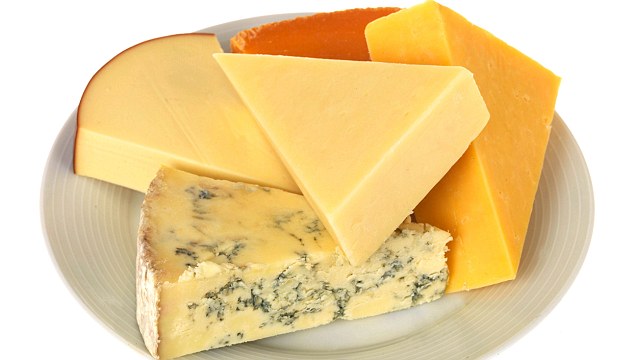
Cheese has earned both praise and criticism in the world of nutrition. Found in virtually every fast food restaurant and grocery store, this ancient food continues to spark debate about its health effects. Let’s explore the science-backed truth about cheese consumption and address the most common misconceptions that have persisted for generations.
The Ancient History of Cheese
Archaeological evidence suggests cheese-making dates back over 5,000 years. Legend tells of a merchant who accidentally discovered cheese while transporting milk in a pouch made from an animal’s stomach. The natural enzymes, combined with the motion of travel and ambient temperature, transformed the milk into the world’s first cheese. Today, cheese remains one of humanity’s most beloved sources of animal-derived nutrition.
Debunking Common Cheese Myths
Myth #1: Cheese Is Pure Fat
For decades, health-conscious individuals avoided cheese believing it was nothing but fat. The reality is far more nuanced. Cheese is a nutrient-dense food containing high-quality protein, calcium, phosphorus, zinc, and essential B vitamins including B12. While cheese does contain fat—typically around 30-40% depending on the variety—it also delivers substantial nutritional value. The key, as with most foods, is moderation and choosing quality varieties.
Myth #2: Lactose-Intolerant People Can’t Eat Any Cheese
Many people with lactose intolerance believe all cheese is off-limits. While it’s true that fresh dairy can trigger uncomfortable symptoms like bloating, gas, and skin reactions such as eczema, aged and hard cheeses contain significantly less lactose. During the cheese-making process, bacteria consume most of the lactose, making varieties like cheddar, Swiss, and parmesan easier to digest. Soft, fresh cheeses like mozzarella and ricotta may still cause issues for highly sensitive individuals, but many lactose-intolerant people can enjoy harder, aged cheeses without discomfort.
Myth #3: Eating Cheese Before Bed Causes Nightmares
This peculiar myth has persisted for centuries, warning that evening cheese consumption leads to vivid or disturbing dreams. Multiple scientific studies have investigated this claim, and none have found credible evidence linking cheese to nightmares. While certain foods can affect sleep quality, cheese doesn’t possess any unique nightmare-inducing properties. In fact, cheese contains tryptophan, an amino acid that may actually promote better sleep.
Choosing Healthier Cheese Options
Not all cheeses are created equal. Softer, fresher varieties generally contain less fat, fewer calories, and lower sodium levels compared to aged, hard cheeses. Fresh mozzarella, cottage cheese, ricotta, and feta are excellent choices for those watching their calorie intake. These options provide the nutritional benefits of cheese while being easier on digestion.
Hard, aged cheeses pack more concentrated nutrition but also more calories and sodium. Enjoy them in smaller portions to maximize benefits while minimizing potential drawbacks. Pairing cheese with fiber-rich foods like whole grains, vegetables, and fruits creates a more balanced nutritional profile.
The Bottom Line on Cheese
Rather than viewing cheese as simply “good” or “bad,” recognize it as a nutritionally complex food that can fit into a balanced, health-promoting diet. Choose quality over quantity, opt for less processed varieties when possible, and pay attention to portion sizes. For most people, moderate cheese consumption can be part of an overall healthy eating pattern.
This website uses cookies to improve your experience. We'll assume you're ok with this, but you can opt-out if you wish.AcceptRejectRead More
Privacy & Cookies Policy
Privacy Overview
This website uses cookies to improve your experience while you navigate through the website. Out of these cookies, the cookies that are categorized as necessary are stored on your browser as they are essential for the working of basic functionalities of the website. We also use third-party cookies that help us analyze and understand how you use this website. These cookies will be stored in your browser only with your consent. You also have the option to opt-out of these cookies. But opting out of some of these cookies may have an effect on your browsing experience.